

AFI Conservatory’s Cinematography Discipline: A Conversation with Stephen Lighthill, ASC
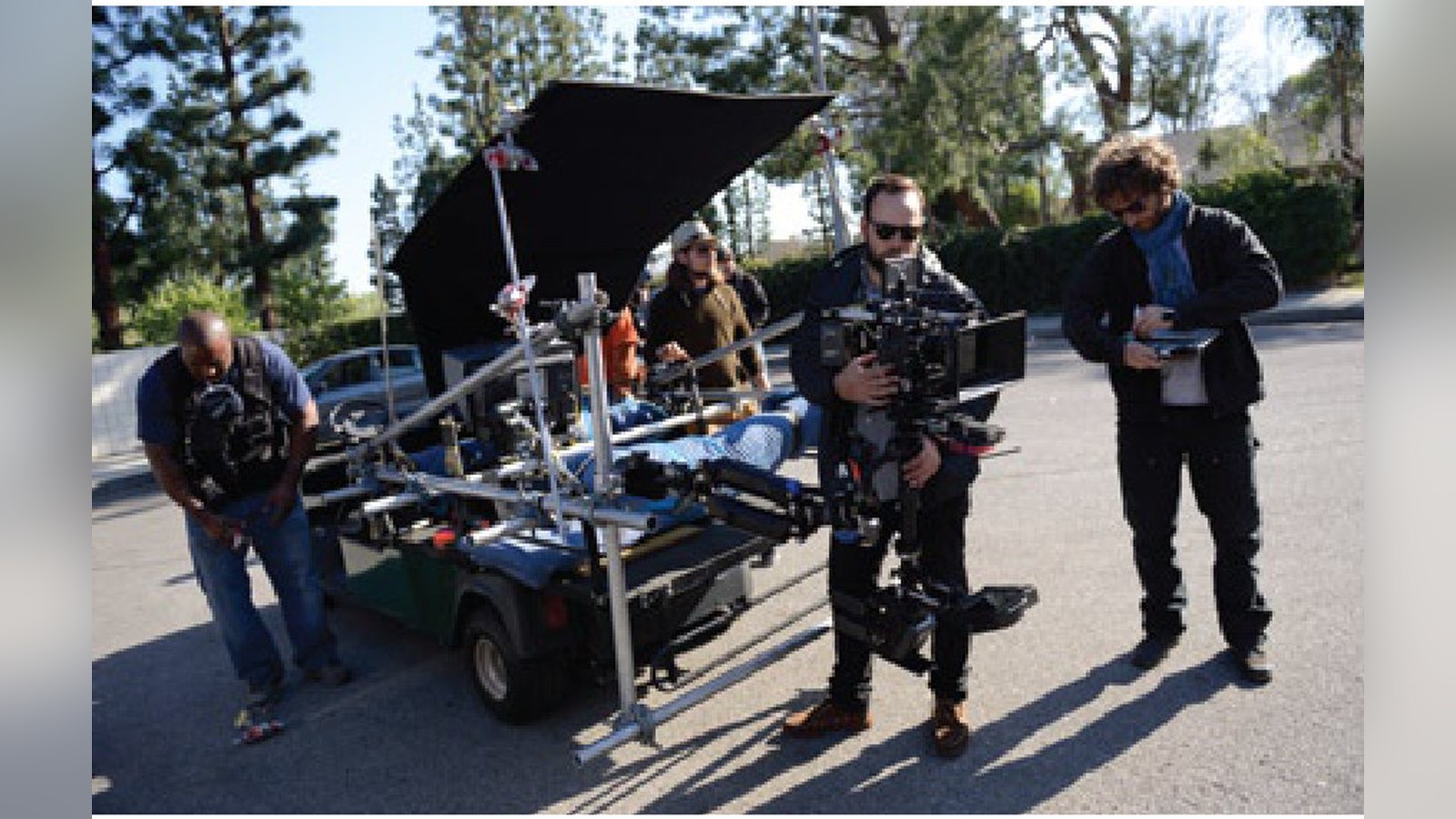
From the HD Pro Guide Magazine archive: this conversation first appeared in HD Pro Guide Magazine, Vol. 2, No. 5 (2014).
HD Pro Guide Magazine talked with Stephen Lighthill, ASC, Senior Filmmaker-in-Residence, and Tal Lazar, lecturer and alumnus (AFI Class of 2009), about the AFI Conservatory’s Cinematography discipline: how it teaches, how it keeps up with fast-changing technology, and what it tells every filmmaker.
What is your teaching philosophy?
AFI Conservatory: Cinematography at AFI uses discovery-based instruction, and we look for dialogue in the classroom. The program is grounded in learning by doing, so Fellows split their time between coursework and production. The Art & Craft of Cinematography course taught by Tal Lazar, for example, covers digital imaging technology, film exposure and optics, all the way to breaking down a script and deciding where the camera goes.
Two guidelines decide how we handle such a broad range. The first is a practicality test: for every lecture and slide, we ask how practical and useful it will be to an emerging cinematographer, which also decides how deep into technology we go. At the same time, we believe a good artist needs to base inspiration and technique on things that may not be immediately useful.
Which new technologies and workflows matter most right now?
AFI Conservatory: Film schools and professionals have never had to deal with imaging technology changing this fast. Staying at the cutting edge keeps getting harder. We teach the latest technology, but we also try to “future-proof” our Fellows by teaching them how to test and assess any new imaging tool. Images are still a common language regardless of the technology, so we build from the bottom up and treat new technologies as tools that can tell stories in many exciting ways.
What changes do you see down the road?
AFI Conservatory: Cameras may soon reach a point where the technology outruns the desired aesthetics. Higher resolution doesn’t necessarily mean a better-looking image, and higher dynamic range doesn’t always sit well with a nice, contrasty image, although both have value when so much processing happens in post. We may start using image characteristics creatively in ways we couldn’t before: a wide establishing shot of a city may benefit from high resolution, where the viewer sees every detail, while a simple close-up of an actor may look better with less visible detail. Looking further ahead, we see real potential in the closing gap between computer-generated images and live action.
How big a part of the program is digital?
AFI Conservatory: Digital imaging takes a large share of the Cinematography curriculum. We prepare Fellows for “the day after AFI” and the cameras and screening technologies they’ll meet. Today’s cinematographer has to be involved in every part of digital production: previsualization, on-set data management, communication with editors and colorists, visual effects and advanced image processing. Sometimes being involved just means taking part in a conversation, and even then you need the right vocabulary: Rec. 709, LUTs, DCI-P3, 4K, RGB, RAW and many more. Industry professionals consistently tell us they can have a higher-level conversation with our Fellows than with other cinematography students.
What sets AFI’s Cinematography discipline apart from other schools?
AFI Conservatory: Every film school has a duty to stay current. AFI has taken on the further role of leading, in both technology and creative work. We aim for what we believe a working cinematographer should know and be able to do, a vision that keeps evolving through discussion with industry leaders who visit and teach at the Conservatory. The results speak for themselves in the many working cinematographers among our alumni. Camera manufacturers and other companies notice too, and are usually eager to donate time and equipment, which builds relationships that help Fellows after graduation.
What do Fellows work on, and how much work is it?
AFI Conservatory: The first year is often compared to cinematography boot camp. Fellows shoot and crew on many short films in one year while learning the creative side of cinematography: lighting, movement, color, camera placement and technology. They shoot on film and digital, help design the visual style of each film, work closely with directors and do color correction with the latest tools. The Conservatory is the right place for people who are passionate about the craft, because Fellows eat, breathe and sleep cinematography.
What mentorship does the school offer?
AFI Conservatory: Many opportunities connect working alumni with current Fellows for mentorship and internships. Each first-year Fellow is assigned a second-year mentor from their discipline, and each graduate is assigned alumni mentors. Fellows are encouraged to show their work to as many faculty members as possible, beyond the three formal classroom critiques. Individual meetings before shooting and set visits happen every week. All Cinematography instructors are working cinematographers who enjoy hiring AFI graduates. Alumni share a common language from all their hours crewing together, and a very specific dedication and attitude. It is truly a family.
How does mentoring benefit Fellows and faculty?
AFI Conservatory: Because every faculty member is a working professional, the connection between Fellows and instructors is invaluable. Fellows quickly learn that their difficulties on set aren’t so different from what their mentors deal with daily, which raises the conversation to solutions and approaches. Faculty learn from students too. It benefits everyone.
One tip for filmmakers and storytellers around the world
AFI Conservatory: Now more than ever, it’s about the story. Forget about the technology for a while and concentrate on what’s important. It’s about character and small intimate moments as much as monumental, breathtaking scenes. Find the story first, then find ways to tell it. Come without an agenda for a specific camera or tool, and you’ll be able to pick the best one for the task. And finally, be the filmmaker you would like to see yourself become in years to come. That will be the single biggest factor in shaping the environment around you.
About the speakers
Stephen Lighthill, ASC filmed documentaries including Gimme Shelter and Berkeley in the Sixties. His independent feature credits include Over-Under, Sideways-Down, Hot Summer Winds and Shimmer, all for PBS’s American Playhouse, and he was director of photography on HBO’s Vietnam War Story, Earth 2 and Nash Bridges. In 2005 he returned to documentaries with HBO’s Boffo! Tinseltown’s Bombs and Blockbusters and The Alzheimer’s Project: Caregivers. He has served on the ASC Board of Governors and the ICG National Executive Board, received the ICG’s Deluxe Bud Stone Award and the 2010 SMPTE Kodak Education Award, and was President of the American Society of Cinematographers in 2012–2013.
Tal Lazar is a director of photography whose work spans drama, horror and comedy. He holds an MFA from the AFI Conservatory. Before moving to Los Angeles in 2007, he shot television shows and music videos in Israel and worked as a union assistant cameraman on internationally recognized films. He began his film studies at Tel Aviv University, won the Sharet Foundation prize for cinematography, took part in the 2005 Budapest Cinematography Masterclass with Vilmos Zsigmond, ASC, and John Schwartzman, ASC, and produced the 2004 Tel Aviv Cinematography Masterclass with Adam Greenberg, ASC, and Ricardo Aronovich, AFC. In his final year at AFI he received the FotoKem Cinematography Grant and Panavision’s New Filmmakers Grant for his thesis film Shadow Man.
More from HD Pro Guide: get new production, broadcast and post stories every week with the free HD Pro Guide newsletter.
