

Remaking a Cult Classic: Evil Dead Cinematographer Aaron Morton on the Sony F65
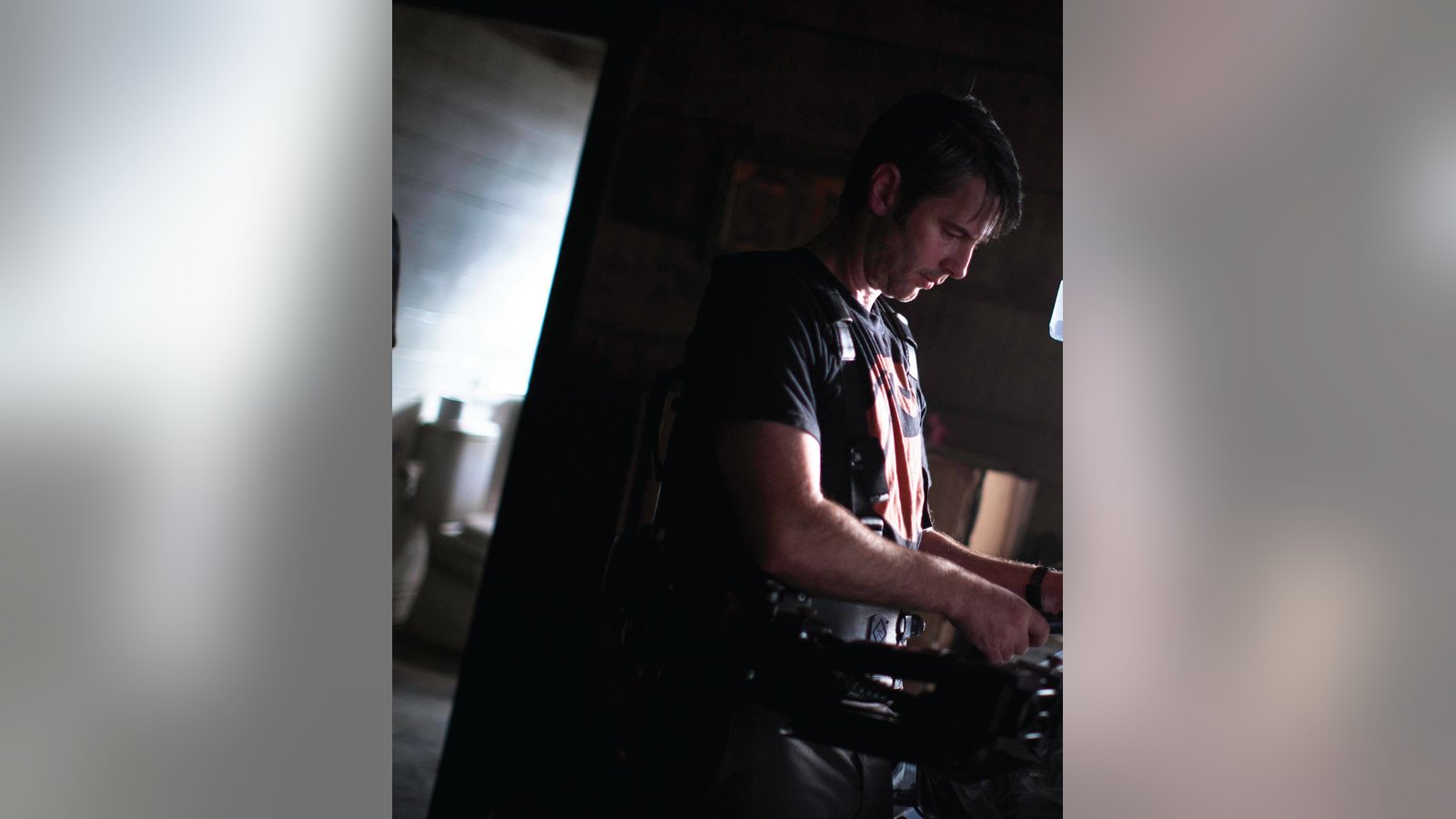
From the HD Pro Guide Magazine archive: this article first appeared in HD Pro Guide Magazine, Vol. 2, No. 1 (2014). By Camille Haimet.
Attempting to remake a celebrated film into one that is fresh and contemporary is no easy task, to say the least. These challenges are enhanced when that film is considered a staple of its genre, such as Sam Raimi's 1981 horror cult classic, "The evil Dead". In order to find out how to shock a contemporary audience that is already familiar with the story, create astounding gore effects, and deal with the challenges of horror movies in general, StudentFilmmakers Magazine talked with the film's cinematographer, Aaron Morton, and editor, Bryan Shaw about their experiences and tips on Fede Alvarez's modern remake.
Q&A with cinematographer Aaron Morton when working to create the look and atmosphere of "evil Dead", how much creative freedom versus direct instructions from the director did you get?
Aaron Morton: I had a lot of creative freedom, but I don't want to distance myself creatively from the director because it's his intent that we need to feed, if you know what I mean. There was certainly creative freedom, but I worked closely with Fede Alvarez to craft the look of the film.
How did you make the movie fresh and original with your personal sense of aesthetic and filming techniques, knowing that it is a remake?
Aaron Morton: It's partly just the fact that we're making it in a modern era with a new script and a new cast. Aesthetically speaking, it was probably just a bit more polished. I mean, we had more time and more money than Sam [Raimi], Rob [Tapert], and Bruce [Campbell]. I guess we were also looking to make a terrifying movie rather than anything that had laughs built into it. It's a pretty harrowing film. In saying that, I laughed the whole way through, because it is so graphic.
What do you feel are the particular challenges of working on a horror film? how did you overcome them?
Aaron Morton: I guess one of the biggest challenges of a horror movie is the darkness, and just knowing how far you can take it; and being selective with what you're showing the audience. Another important aspect for me was trying to create an overall foreboding tone, I suppose. Pretty much as soon as the scene with the words being read from the book and the demons being called takes place, I wanted to up the ante in terms of that foreboding feeling. From that point, I tried to shift gears in terms of the intensity and how dark the movie was.
Since the genre deals HEAVILy with the psychology of different characters, how do you make this come across with your filming techniques?
Aaron Morton: There wasn't necessarily any signature that we gave to each character. We didn't have visual roles that we'd apply to each of them, for example. But I was certainly aware of Mia's journey throughout the film. We did sort of want to have the camera focused on her and have the lens stay in close quarters with her most of the time. I would say it was mostly based around Mia's character.
What was your WORk with the VFx department like? lighting insight
from Aaron Morton One piece of advice I got when I was starting out was, 'see it before you light it'. If you can imagine how you want the scene to look, it can give you confidence about what it is you're going for in terms of lighting. Try to imagine it and visualize it in your head. Short of that, keep shooting as much as you can. The more you do it, the better you get. It's a series of thousands of little decisions and each one has value. aaRon moRTon: It was great, and actually quite minimal. The only real visual effects were the washed out river, and some little fixes here and there because all of the gore effects in the movie are in camera. Whenever possible, we used practical effects, which took a lot more time and was a lot more challenging to come up with; especially in the scene where Natalie cuts her arm off. She's sitting on the floor in the kitchen and she does it with that electric knife. That was a fun one because you see her pick up the knife, push in, and you see it dig in to her arm; it's pretty nasty. That shot took most of a day. It took a long time because of all the resets and just getting her in the right position. That was important because the trick either worked or didn't work based on her body position. It was really critical where she was when she started coming around. Doing the effects in camera added time and complications to everything, but it was really worth it.
Which particular cameras did you use for "evil Dead"? was this different than the cameras you usually prefer to WORk with?
Aaron Morton: We used the Sony F65. I'd never used it before because it had only been out a couple of months. It's a very new camera, but it was fantastic.
What do you feel is the most successful scene in the film, or the one you are most proud of shooting?
Aaron Morton: The arm one was really good, but I do quite like the whole finale with the blood rain. I think that it worked quite well. I really like the final images with Mia digging the chainsaw into the demon's head and the burning house in the background. In terms of whole sequences, I definitely like that last one the best.
What new projects are you currently working on that you can share with us?
Aaron Morton: I just finished a show called, "Orphan Black". It is now airing on BBC America. The first episode was very well received and The Hollywood Reporter rated it at number 1 above "Game of Thrones" and "Walking Dead" the weekend it aired.
More from HD Pro Guide: get new production, broadcast and post stories every week with the free HD Pro Guide newsletter.
