

Book Review: “Lighting for Cinematography” by David Landau, Reviewed by Peter Stein, ASC
From the HD Pro Guide Magazine archive: this article first appeared in HD Pro Guide Magazine, Vol. 3, No. 1 (2015). Review by Peter Stein, ASC.
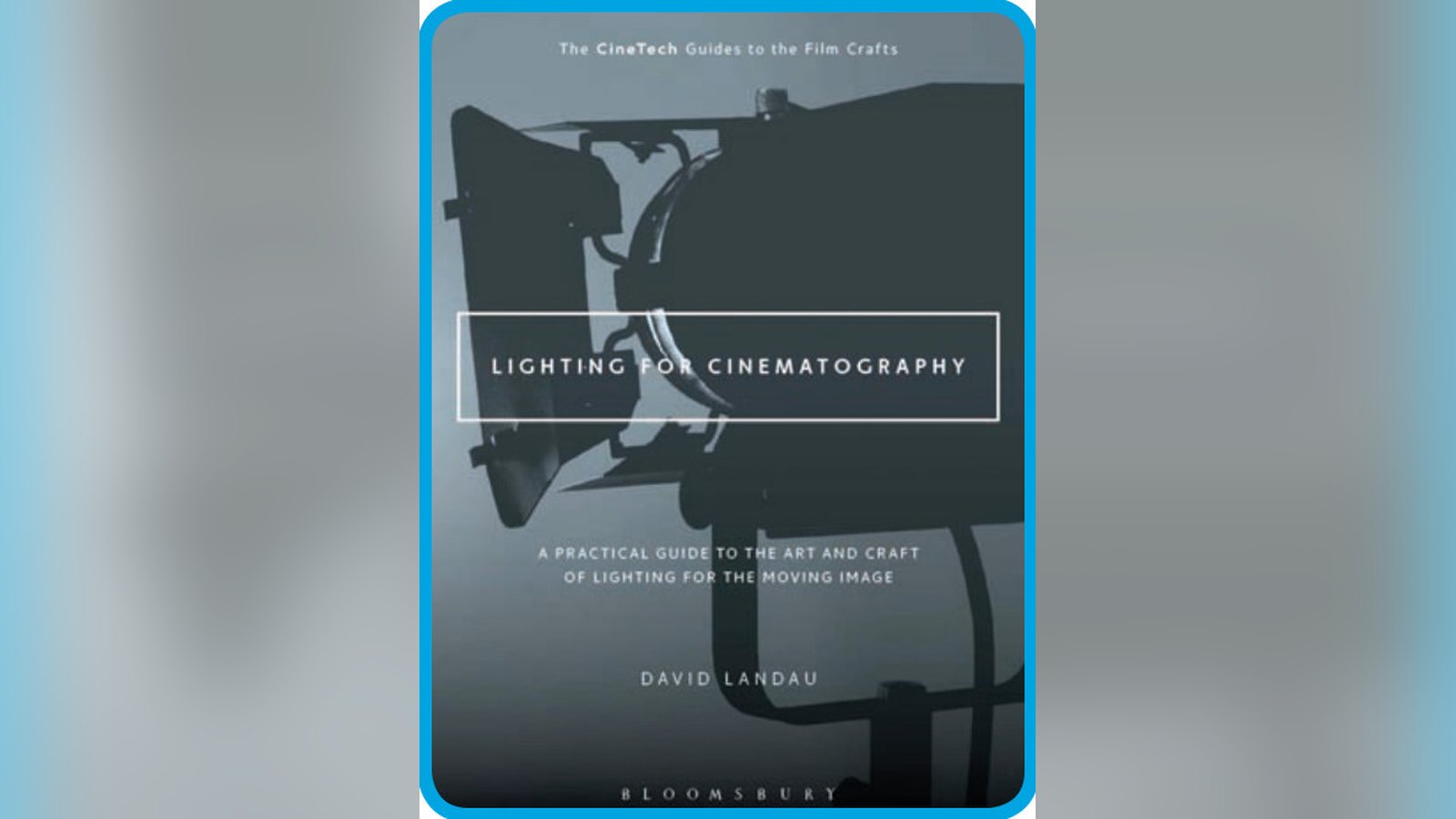
Book Review by Peter Stein, ASC I am concerned that the ease of shooting in low light situations with the new HD cameras may lead some to ignore much of cinematic art and technique which has been developed over the years. The new book “Lighting for Cinematography: A Practical Guide to the Art and Craft of Lighting for the Moving Image” from Bloomsbury Press helps to address this fear. As author David Landau says in his introduction, “We can’t shoot good pictures without good lighting, no matter how good the newest cameras are. Shooting under available light gives exposure, but lacks depth, contrast, contour, atmosphere and often separation.” This book concentrates on how to create lighting that supports the emotional moment of the scene, contributes to the atmosphere of the story and can augment an artistic style. The book emphasizes that well crafted lighting helps establish the illusion of reality that is necessary for the viewer to forget they are watching a screen and get lost in the story. It is a practical hands-on lighting text for anyone who wants to learn to improve their lighting for video or film, based on David’s college lighting course that he has taught for over ten years, as well as his extensive professional work in the industry as a DP, Lighting Director and union gaffer.
Unlike other books on lighting, this book features practical advice that is immediately applicable to students and filmmakers working on a limited budget and schedule. The book starts off with a chapter on what is light, its four controllable attributes and the seven primary functions it has in motion picture photography. The next chapter is about the lighting crew, lighting instruments and basic electricity every filmmaker needs to understand. Next is the theory of three point lighting versus the actual practice of three point light and motivation in designing the lighting, which is invaluable to the budding cinematographer. Additional chapters cover such things as lighting for actor and camera movement, working with the sun and working with windows, night lighting, lighting the three planes of action, non-fiction lighting, lighting effects and lighting looks and inspiration. David draws on multiple accounts from his work in the field as examples of how a shot could be lit, which gives his book a practicality and voice of experience that is invaluable for the emerging cinematographer. Especially valuable are the over 20 lighting diagrams and over 90 stills that illustrate the lighting concepts discussed and each chapter even has lighting exercises for the reader to put into practice. And while other lighting books remain mainly technical, David’s book spends equal time discussing the artistic contributions that lighting makes to the story telling as it does on the techniques used to achieve a look. His conversational tone mixed with his years of technical experience and aesthetic awareness results in a very accessible text that should be cherished by students and professionals alike. David Landau is the perfect person to write such a book. Having worked over 30 years professionally in lighting as a film electric and gaffer on everything from feature films and TV shows to commercials and corporate films, he has had a wide range of cinematographers to watch and learn from before becoming a cinematographer himself. I have had the pleasure of working with him as my gaffer in the past and he has come in to share some of his expertise with the graduate cinematography classes that I teach at NYU. I have even hired him as my own cinematographer on a film I produced. A fun thing in the book are the quotes from DPs and gaffers he sprinkles throughout various chapters. I was one of a diverse range of working professionals to whom he posed a series of questions. These also included David Mullen, ASC, as well as low budget feature DP Joe di Gennaro, documentary cameraman Eli Lyssy, 60 minutes cameraman Ray Bribiesca, TV lighting director Gus Dominquez and gaffers Tigre McMullen and Bill O’Leary. In the first appendix he provides the questions and everyone’s answers, which are fun to compare. This unique approach has been needed for a long time and there is simply no other lighting book like this in print. It is available from Amazon, from www. lightingforcinematography.com and from the Bloomsbury Press website. “Lighting for Cinematography” is truly enlightening for the film student or emerging cinematographer.
More from HD Pro Guide: get new production, broadcast and post stories every week with the free HD Pro Guide newsletter.
