

Melancholia Cinematographer Manuel Alberto Claro on Available Light, VFX and Handheld
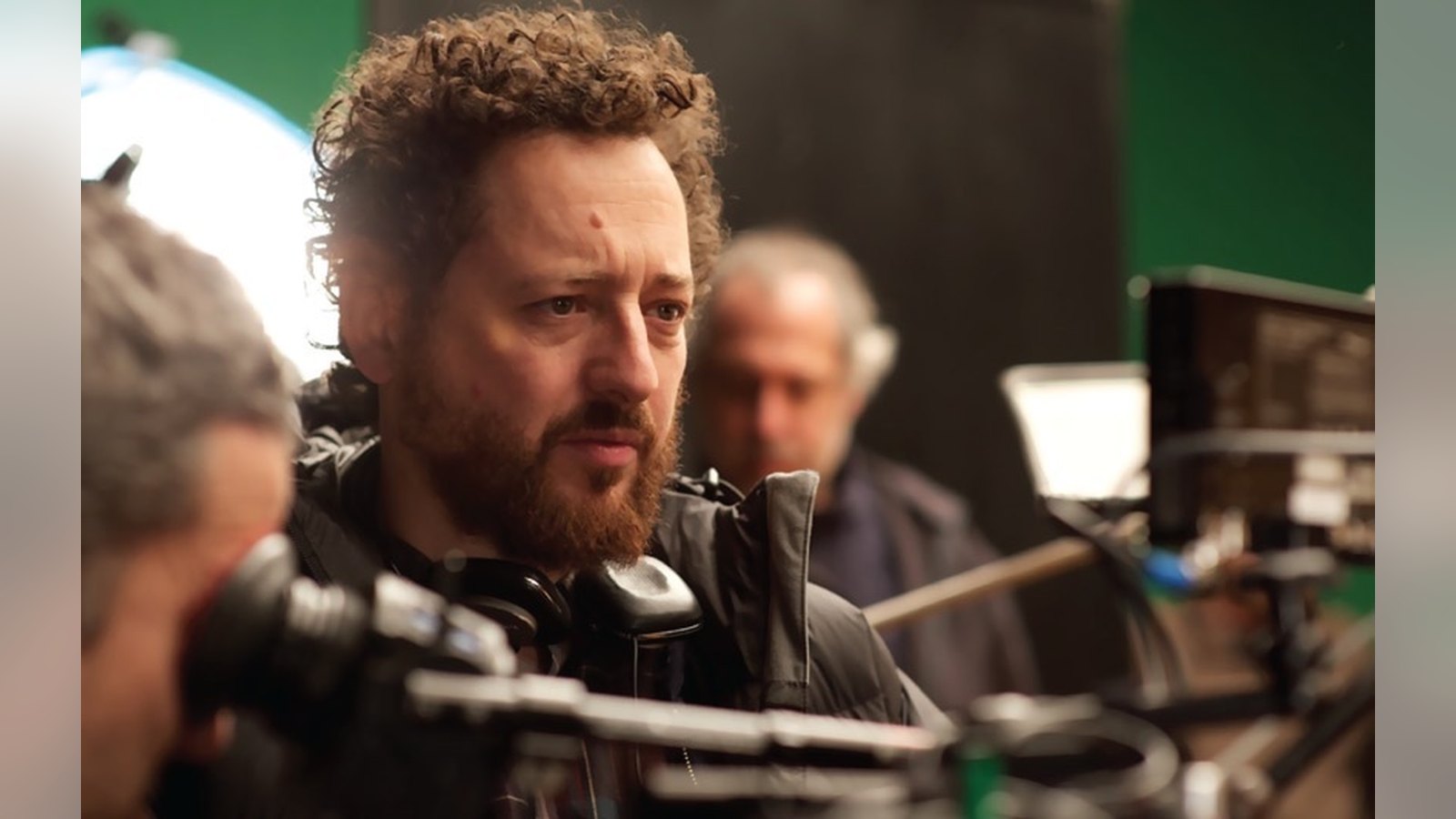
From the HD Pro Guide Magazine archive: this interview first appeared in the premiere issue of HD Pro Guide Magazine (Vol. 1, No. 1, IBC 2013 edition).
Danish cinematographer Manuel Alberto Claro moves between documentaries, shorts and features, and shot Lars von Trier’s Melancholia and Christoffer Boe’s debut Reconstruction. Here he talks about available light, planning VFX shots with the art department and VFX supervisor, handheld technique, and the ethics of documentary work.
Your work spans documentaries, shorts and features. What are the main differences in technique between them?
Manuel Alberto Claro: In the projects I work on, I often find that fiction is stylistically inspired by documentaries and vice versa. In fiction, where you have a lot of control, you miss the natural life and surprising elements of documentaries, and in documentaries you strive for a more controlled visual style. It’s a little like fighting against the built-in circumstances of the genre in the quest for cinematic life. Generally I believe any interesting approach has a built-in conflict. Like life, no?
Most of Reconstruction was shot in available light. What were the challenges?
Claro: You have to be able to adapt to what’s out there! This approach works very well with a director who is flexible and fine with changing things at the last minute. Christoffer Boe and I make about 70% of the decisions in prep, but, very importantly, leave 30% to the shooting day. You have to make quick decisions and go with your gut.
What cameras and techniques did you use for the astrophysical side of Melancholia?
Claro: We used an ARRI Alexa for the main film and a Phantom high-speed camera for the slow-motion shots in the opening. The collaboration with the art department was good, and the location inspired the style in many ways. It gave the film a somewhat gothic feel. We tried not to dwell on the monumental aspects in the camerawork, shooting more documentary-style and focusing on the characters, and saving the monumental for what we called “Wagner moments.”
What were the VFX challenges, and how did you work with the VFX team?
Claro: Every shot that included the planet or another “fantastic” element was carefully planned with VFX supervisor Peter Hjorth. We storyboarded all those shots in prep, and he was always on set when we shot anything he would work on in post. The shot where the planet rises outside the castle was shot in many passes, at night and in daytime. We had special effects fire emergency flares into the night sky to get moving shadows, and for the reverse close-ups of the actors we put a light on a moving crane to imitate the moving planet.
Von Trier was very specific about the camerawork and atmosphere he wanted. How much room was there for your own aesthetic?
Claro: Every director has their own ideas, and a cinematographer’s job is to translate them into a visual approach the director feels conveys their vision. Of course I have my own taste, but when I’m asked onto a project it’s usually because the director connects with that taste and style. I always felt close to von Trier’s style watching his earlier films, and it has been an easy working relationship, because he is very clear about what he wants and because I admire and agree with his choices most of the time.
What has been the most challenging work for you?
Claro: Documentaries. There are situations where the people you film don’t fully understand the context or the goal of the project. It’s an ethical problem. You can try to be honest and explain what you want to do, but it is often very difficult to give a clear picture. People often take part for very personal reasons that have nothing to do with the film, so everybody is making their own film somehow, and things rarely turn out as anyone expected. In fiction the rules are simpler: the director decides how things should be, and the whole crew works to make that happen.
Shooting handheld
Claro: For me, the most important thing about handheld is that the camera has to be in balance on your shoulder, so it takes minimum effort when it’s just resting there. When I shoot a scene, that balanced position partly dictates the shoot, because I want to spend minimum energy holding the camera and maximum energy being present inside the scene and experiencing what is going on. All the energy you spend holding the camera takes something away from that presence.
Claro’s tips for shooting on set and on location
- Listen, especially to the director.
- Give the actors the best possible working conditions.
- And steal “respectlessly” from reality.
More from HD Pro Guide: get new production, broadcast and post stories every week with the free HD Pro Guide newsletter, and see more VFX and production coverage.
